
VAP®
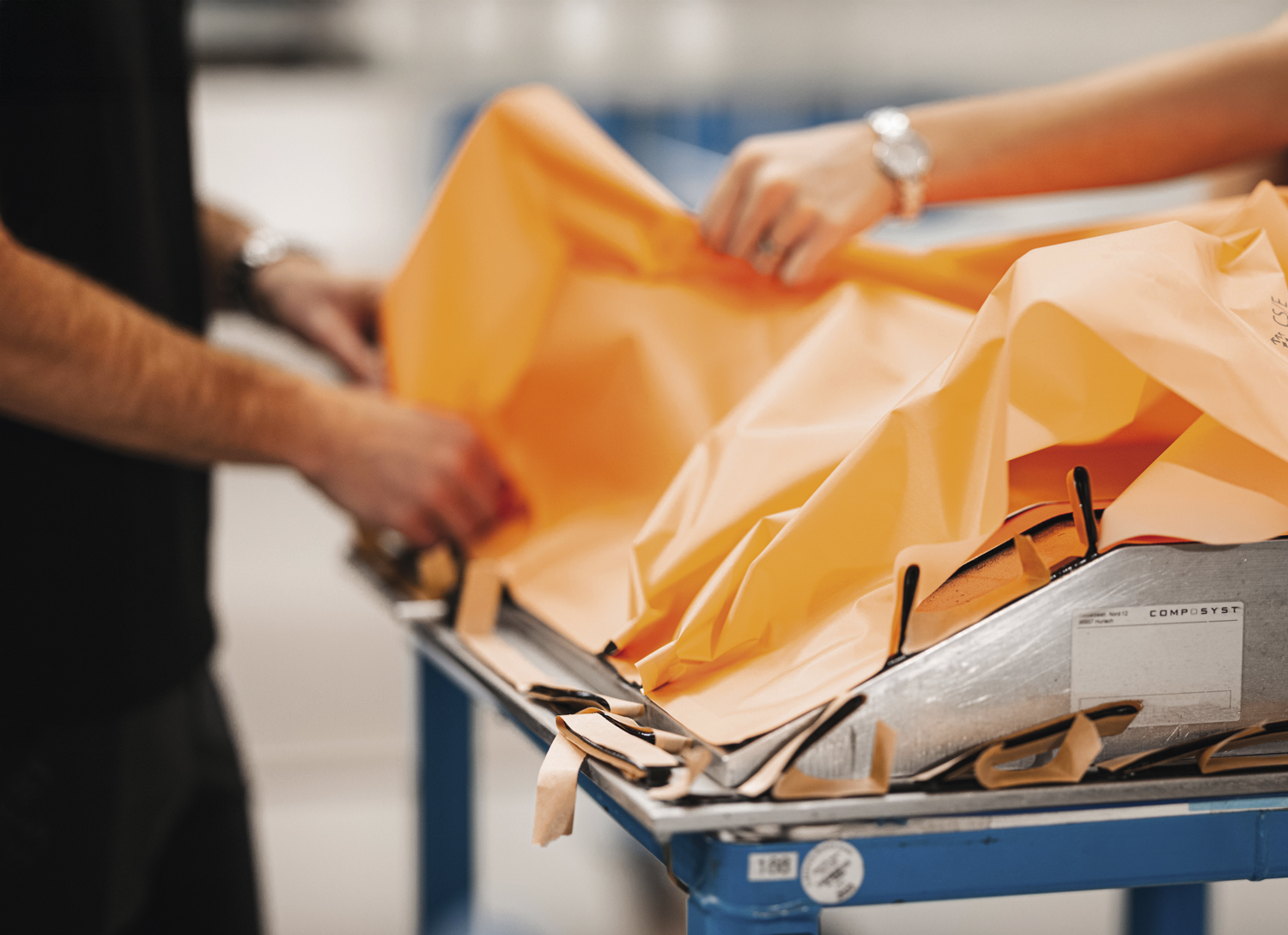
The AIRBUS Defence and Space GmbH (formerly EADS) patented Vacuum Assisted Process (VAP®) uses the properties of modern, semi-permeable membrane systems in highly developed textile composites to apply the effect of a vacuum to the entire surface of a component. This “vacuum assist” ensures that trapped air and gas can be reliably and efficiently removed during resin infusion.

VAP® Functional Principle
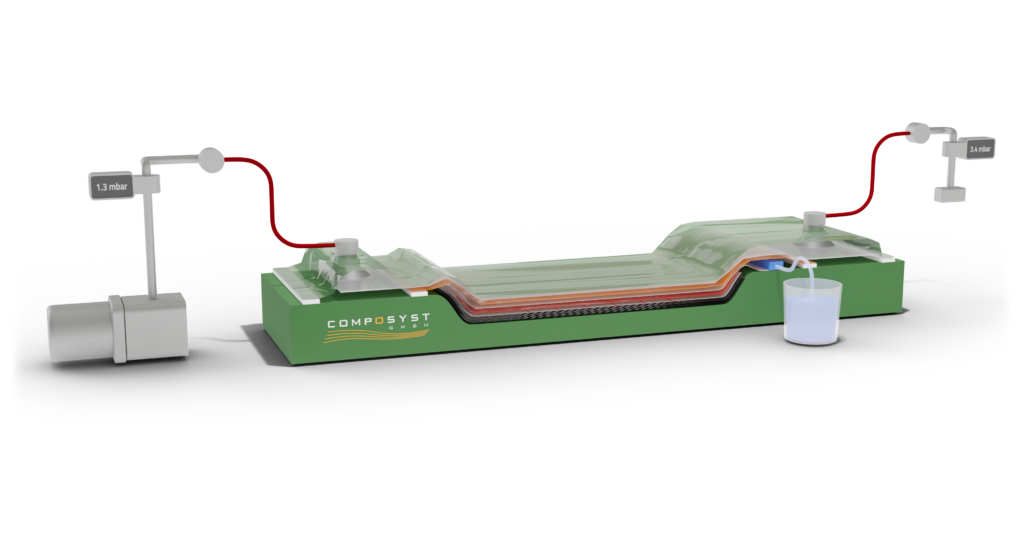
The Vacuum Assisted Process (VAP®) is a technique to manufacture composite parts using vacuum injection; it applies membrane-assisted low-pressure infiltration.
The surface of the part to be infiltrated with resin is covered with a flexible membrane system. The membrane is permeable to gas but impermeable to resin. When resin is infiltrated into the part inside the membrane, the latter keeps the resin inside the matrix and away from the vacuum duct. Yet, aided by the low pressure in the vacuum duct, trapped air and gas can still escape through the membrane’s micro-permeability and are purged via the textile layer.
The vacuum acts uniformly, so purging takes place across the entire contact surface between part and membrane, during and after infiltration.
VAP–Benefits
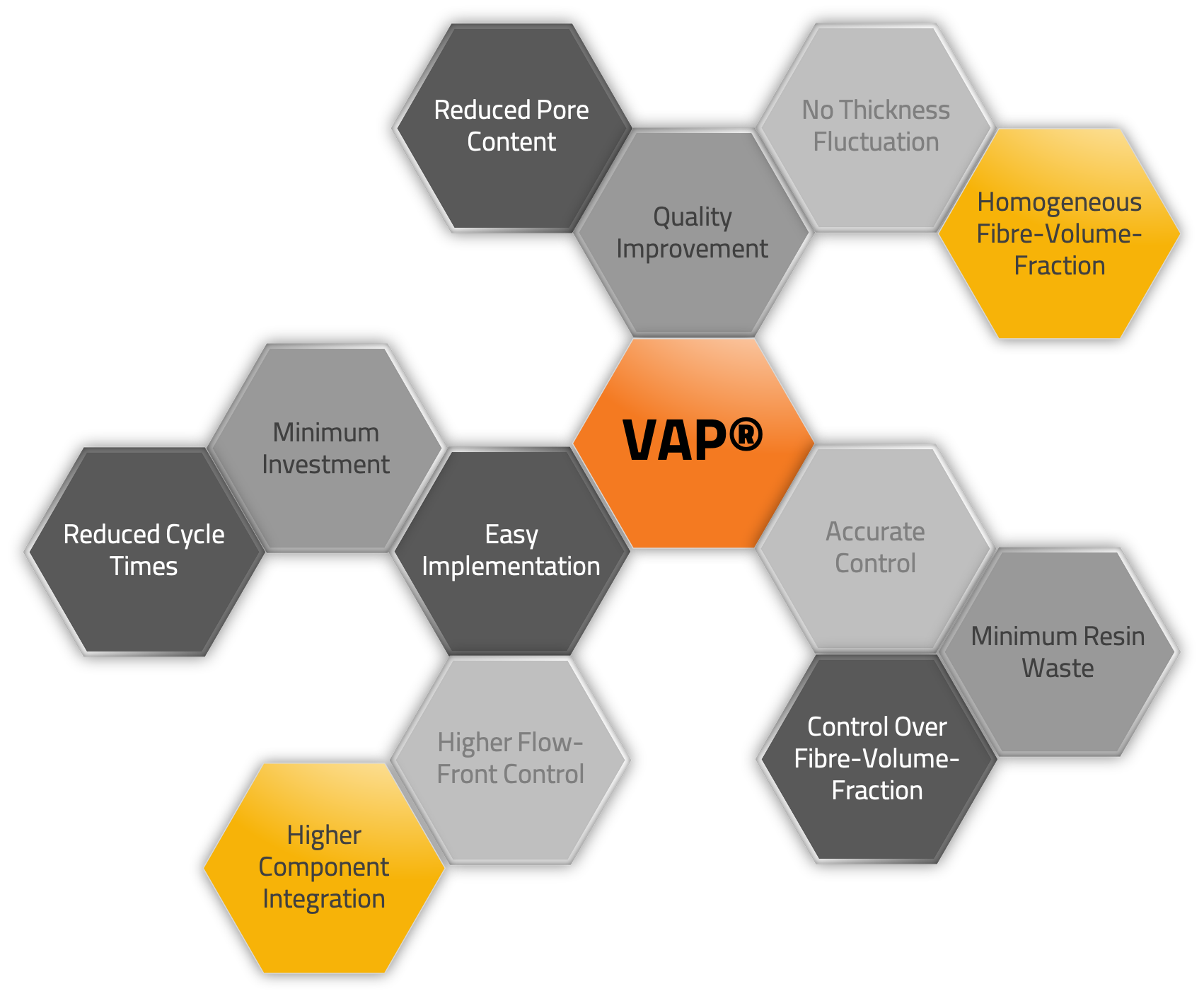
Easy implementation, as existing infusion tools and materials may be utilised.
Excellent component quality without dry spots.
Less re-working needed as result of high component quality.
Low laminate porosity due to efficient purging of air and gas through the VAP® membrane during and after infiltration.
Minimum resin waste, the needed amount of resin can be calculated in advance.
Homogeneous fibre volume content achieved through a uniform vacuum across the entire VAP® membrane surface.
No variations in component thickness.
Easier flow front management because of less critical inlet distribution strategy.
Reduced cycle times due to faster, vacuum-assisted infiltration process.
Potential for higher component integration.
Consistently stable and controlled process, offers high process reliability and reproducibility.
Better economy, especially compared to autoclave processes.
Minimum investment needed.
Prepreg vs. VAP®
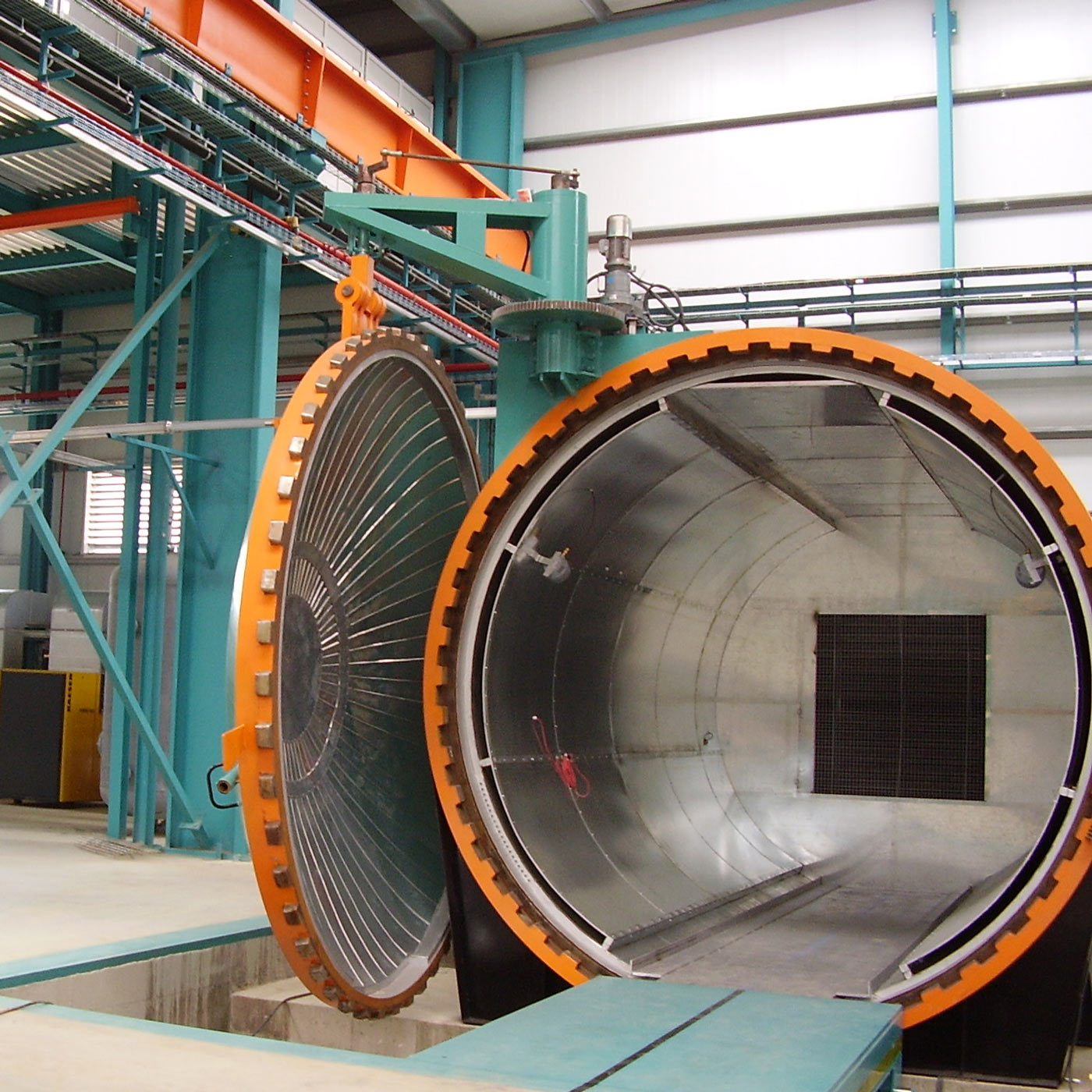
Prepreg
Logistics
Technique
Capacities
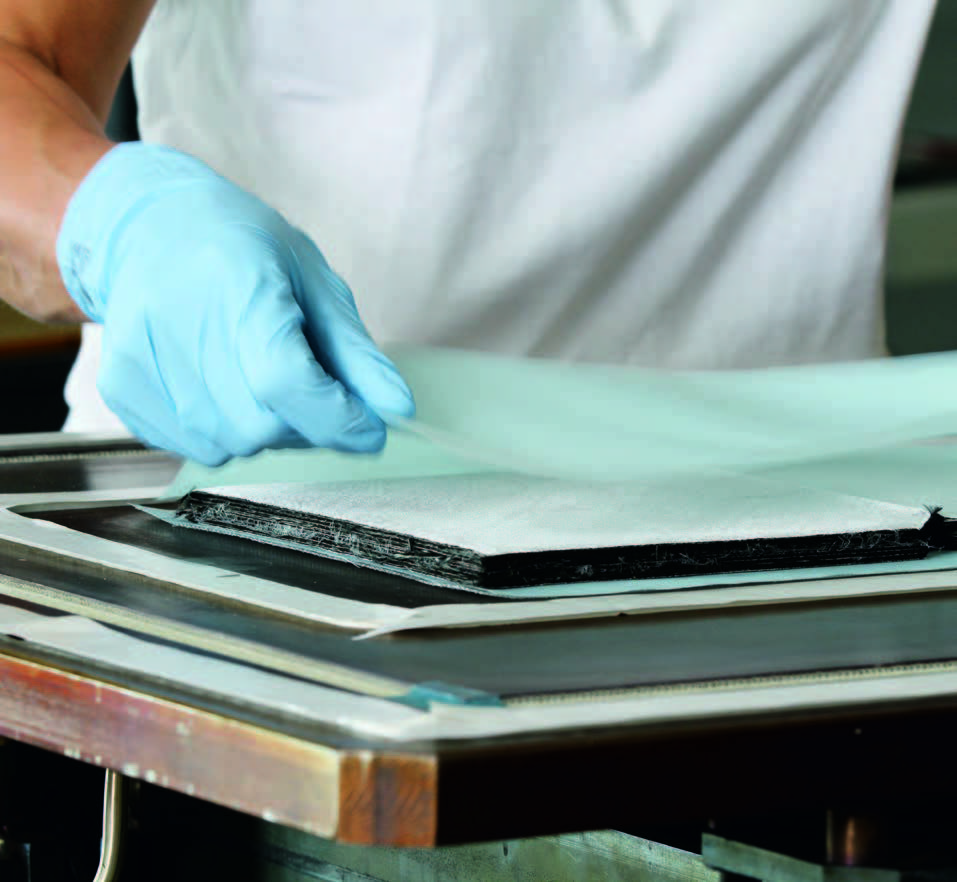
VAP®
Logistics
Technique
Capacities